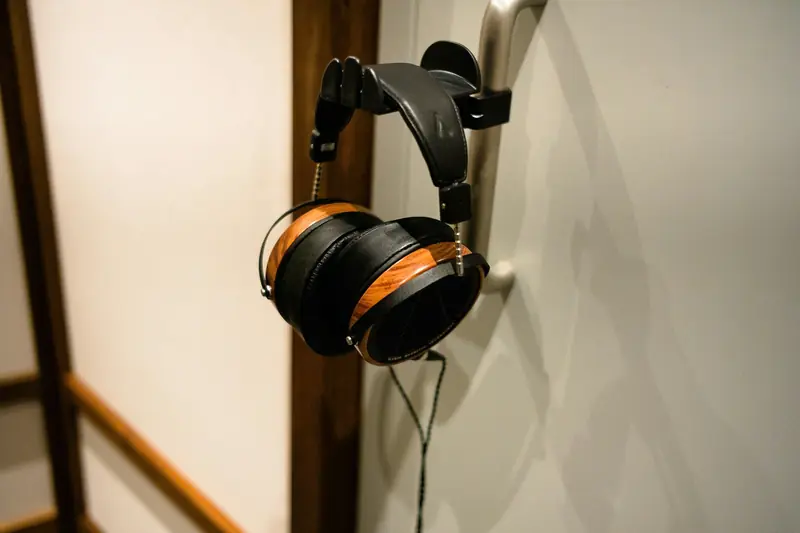
Best Open-Back Headphones
Open-back headphones let sound pass through the cups, which gives a wider, airier presentation at the cost of isolation. The main decisions are how hard they are to drive, how comfortable they are for long sessions and whether the pads and cable can be replaced. This page is for listeners with a quiet room, music or gaming at a desk, or a mixing setup.
Jump to section
What we look for
Soundstage and imaging
open designs are chosen for a wider sense of space.
Tonal balance
the balance of bass, mids and treble decides how long you enjoy the sound.
Comfort and clamp
open-backs are often worn for hours at a desk, so comfort wins.
Impedance and amp needs
impedance tells you how much voltage the headphones need to play loud.
Replaceable pads and cable
parts wear out first, so replaceable ones extend the life of the headphones.
Sound leakage
open designs let sound out, which affects the people near you.
- Sources: maker product pages, manuals and spec sheets, plus beyerdynamic blog, Sennheiser for the facts behind the advice.
How to choose the right open-back headphone
Open-back headphones all share the same trade-off, so the details decide. If you are unsure whether open-back is right for you, read open-back vs closed-back headphones. The six checks below cover sound, comfort, impedance and the parts you can replace.
Soundstage and imaging
Soundstage describes how wide and deep the sound feels, and imaging describes how precisely instruments sit within it. Both are impressions, not specs, so treat maker descriptions as a hint. Let tonal balance and comfort decide between close choices. Open designs let sound pass through the cups, and makers often describe the result as airier than a sealed pair.
Tonal balance
Makers describe tonal balance as neutral, warm or bright, which is a claim. Check the frequency response column for the stated range, but remember a wide range on paper does not guarantee a pleasing balance. If you listen to a wide mix of music, favor a balanced tuning over one that flatters a single style.
Comfort and clamp
Open-backs are often worn for hours at a desk, so comfort wins. Look at the weight column and the pad material. A lighter pair with soft pads suits long sessions, and a gentle clamp helps if you wear glasses. Because air flows through the cups, open designs also tend to run cooler than sealed ones on long sessions.
Impedance and amp needs
High-impedance headphones, from about 250 Ω, generally need a powerful amp (beyerdynamic). Sennheiser lists an open-back model at 300 Ω (Sennheiser). Our impedance guide explains the numbers, and our DAC guide shows when an amp is worth buying. Low-impedance pairs work with a phone or laptop, so the amp question only becomes serious as the impedance column climbs.
Replaceable pads and cable
Parts wear out first, so replaceable ones extend the life of the headphones. Check the spec table for a detachable cable and for the pad material, and look at the maker's page for how to buy new pads. Look at the plug size too, because a cable with a 3.5 mm plug works with more gear, while a balanced cable needs a matching output.
Sound leakage
Open-backs let sound out as well as in, which affects the people near you and lets room noise reach you. They suit a quiet room, not a commute or a shared office. If that is a problem, compare our noise-cancelling headphones, and see open-back vs closed-back headphones for the full trade-off.
Tips for using your open-back headphone
- Check the impedance column before you buy, and pick an amp or DAC that fits it. See do you need a DAC?.
- Plan for the room. Open-backs leak sound, so they suit quiet spaces.
- A more powerful amp is not a reason to listen louder. See our safe listening volume guide.
- Pair them with a separate microphone for gaming if the model has none.
FAQ
Do open-backs leak sound?
Yes. The open design lets sound pass both in and out of the cups, so these pairs belong in a quiet room rather than on a commute.
Do I need an amp?
It depends on impedance. Beyerdynamic says high-impedance headphones, from about 250 Ω, generally need a powerful amp (beyerdynamic). Sennheiser's HD 600 is an example, listed at 300 Ω (Sennheiser).
What is sensitivity?
Sensitivity describes how loud a headphone plays for a given input. Sennheiser lists the HD 600 at 97 dB SPL at 1 V (Sennheiser).
Good for gaming?
Many players like the open sound. If the model has no microphone, add a separate one.
Related
-

Buying guide
Best Noise-Cancelling Headphones
ANC type, battery with ANC on, weight, codecs and wired options, side by side.
-

Buying guide
Best Headphones Under $100
Type, ANC, battery, weight, codecs and wired option, side by side.
-
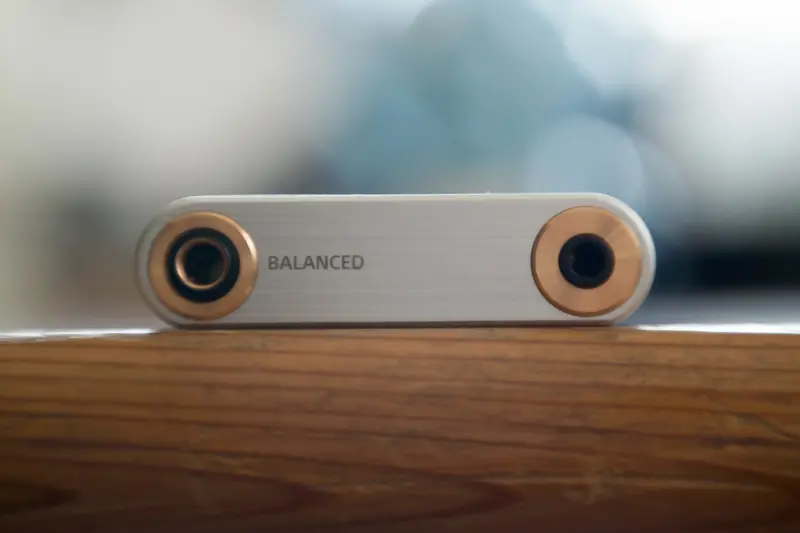
Buying guide
Best DAC/Amp Combos for Headphones
Output power, inputs, outputs, sample rates and gain, side by side.
-

Comparison
Open-Back vs Closed-Back Headphones: Which Should You Buy?
Isolation and space, or a wider sound for quiet rooms.
-
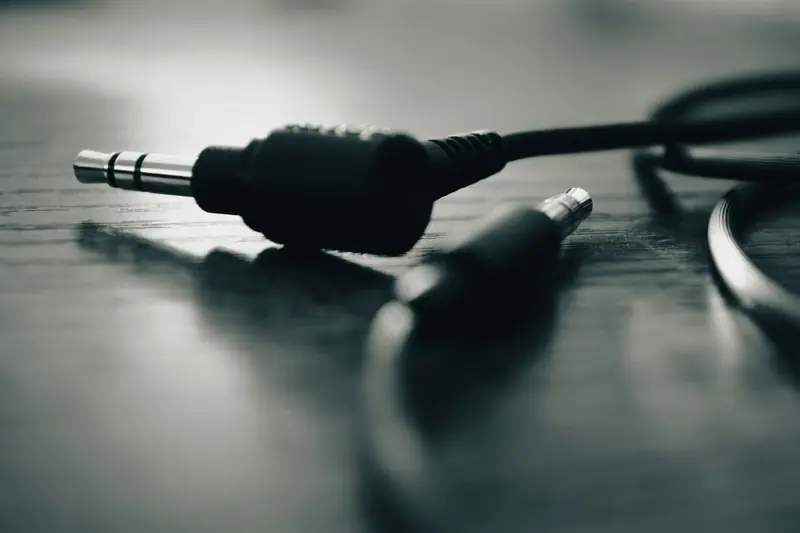
Guide
Headphone Impedance Explained: Ohms, Sensitivity and Amps
What ohms and sensitivity mean, and when you need an amp.
-
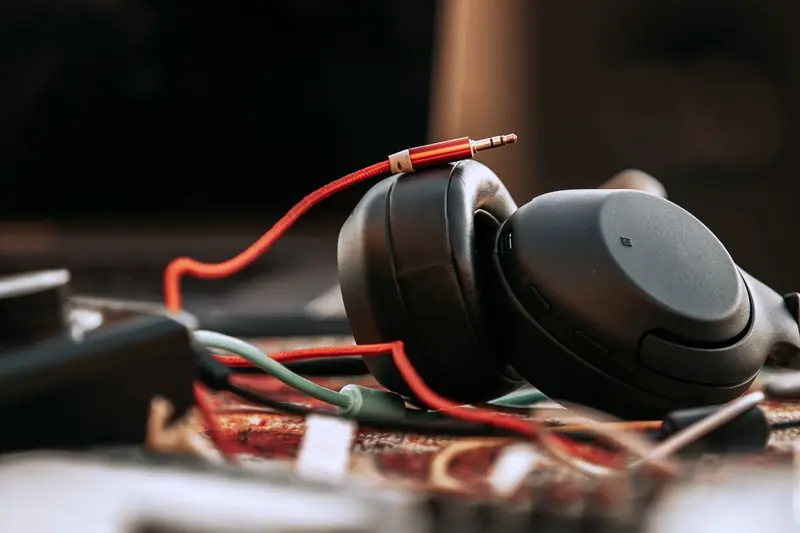
Guide
Do You Need a DAC? When It Helps (and When It Doesn't)
What a DAC does, when built-in is enough and when a dongle helps.

Get the Overtone Setup Card
A printable card with the steps for setting up a turntable and placing speakers, plus one hearing-safety reminder. Free, and sized for a shelf or a wall.