Best DAC/Amp Combos for Headphones
A DAC/amp turns digital audio into an analog signal and gives it enough power to drive your headphones. The decisions that matter are the power at your headphones' impedance, the inputs and outputs and whether you want a dongle or a desktop unit. This page is for wired headphone users on phones, laptops and PCs.
Jump to section
What we look for
Output power at your impedance
the amp must deliver enough power to the headphones you own.
Inputs
the inputs should match the sources you use.
Outputs
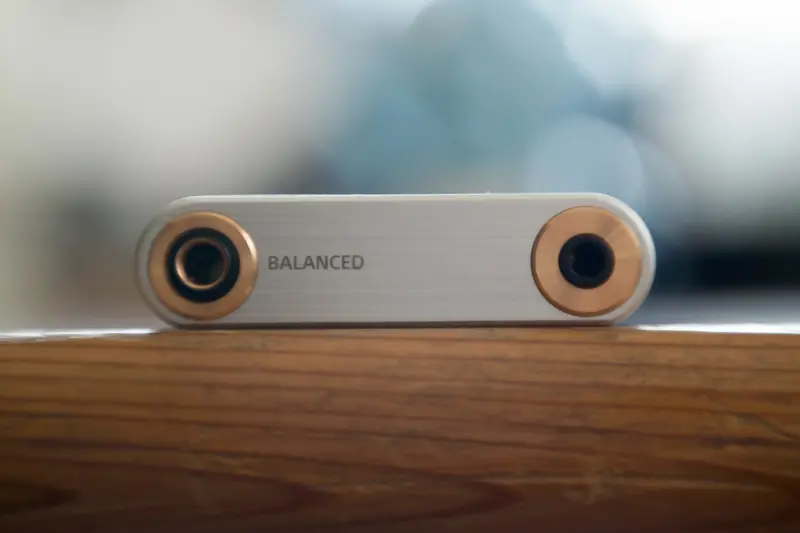
3.5 mm and 4.4 mm balanced outputs fit different cables.
Low noise for sensitive IEMs
sensitive IEMs can reveal hiss from a noisy amp.
Dongle or desktop
a dongle travels with your phone, while a desktop unit has more power and inputs.
Supported sample rates
the maximum rate should cover the files you play.
- Sources: maker product pages, manuals and spec sheets, plus beyerdynamic blog, Apple, Library of Congress for the facts behind the advice.
How to choose the right DAC/amp
A DAC/amp is the right tool for some headphones and an extra for others. Before you buy, read do you need a DAC?, and read headphone impedance explained to match power to your headphones. The six checks below cover what to compare on the spec table, from output power to the sample rates a unit supports.
Output power at your impedance
The amp has to deliver enough power to the headphones you own. The higher the impedance, the more voltage headphones need to play loud enough (beyerdynamic). Check the output power column, which lists milliwatts at a stated impedance, and compare it at your headphones' impedance, not just the biggest number on the box. Our impedance guide explains the pairing.
Inputs
Check the inputs column for USB-C and optical. USB-C suits phones and laptops, and optical suits a TV or console. Before you add a box to your setup, see do you need a DAC? to find out whether your source already does the job. Beyerdynamic notes that most smartphones and notebooks don't supply as much power as a hi-res player or stereo system, which is why a portable DAC with a built-in amp is suggested for mobile use (beyerdynamic).
Outputs
A 3.5 mm output is the common type. A 4.4 mm balanced output suits headphones with a matching balanced cable, so check that before you pay for it.
Low noise for sensitive IEMs
If you use sensitive IEMs, check the maker's notes on noise. Gain settings let you match the amp to easy or hard-to-drive headphones, so look for them in the spec table. This check matters most if you pair the unit with IEMs, and not at all if you use a pair of large, high-impedance headphones.
Dongle or desktop
A dongle plugs into a phone or laptop and runs on its power, which makes it easy to carry. A desktop unit has more outputs and often external power, and it stays on your desk. The form and power columns show which one a model is. Pick the dongle if you move around, and the desktop unit if the headphones live at a desk.
Supported sample rates
Audio CDs use 44.1 kHz sampling with 16-bit samples (Library of Congress). Apple says iPhone and iPad need an external DAC for sample rates above 48 kHz (Apple). Check the sample rate column against your files.
Tips for using your DAC/amp
- Check your headphones' impedance first, then pick an amp that suits it.
- A DAC/amp is for wired headphones. It will not improve Bluetooth earbuds, which are not lossless (Apple).
- More power is not a reason to listen louder. See our safe listening volume guide.
- Compare open-back headphones if you want a pair that benefits from an amp. Check the sample rate column against the files you play before you pay for a higher number you will not use.
FAQ
Do I need a DAC?
Not always, so read do you need a DAC? first. One firm case from Apple: an iPhone or iPad needs an external DAC to play sample rates above 48 kHz (Apple).
Will it improve my AirPods?
No. A DAC/amp serves wired headphones, and Apple notes that Bluetooth connections aren't lossless (Apple).
What do 300 Ω headphones need?
They need more voltage than low-impedance models do (beyerdynamic). Look up the amp's output at your headphones' impedance before you buy.
What is a balanced output?
It is a 4.4 mm or XLR headphone output. You can use it only with headphones that have a matching balanced cable.
Related
-
Buying guide
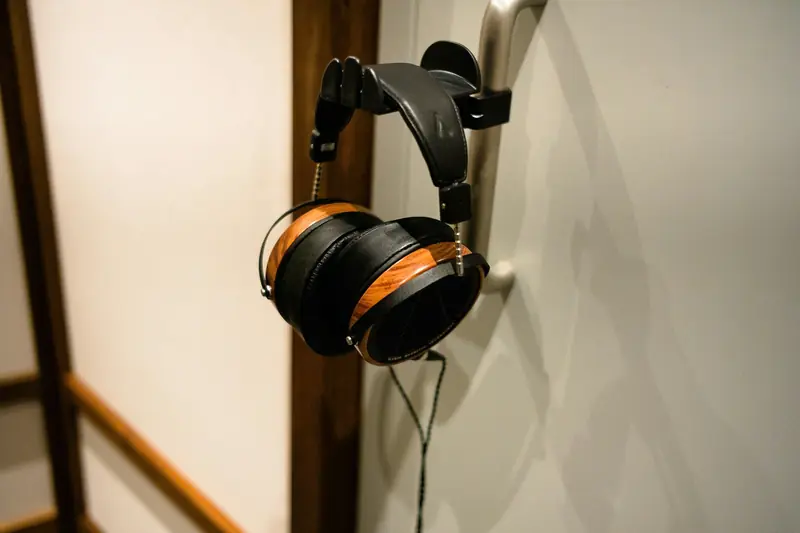
Best Open-Back Headphones
Impedance, sensitivity, driver, weight, cable and pads, side by side.
-
Buying guide
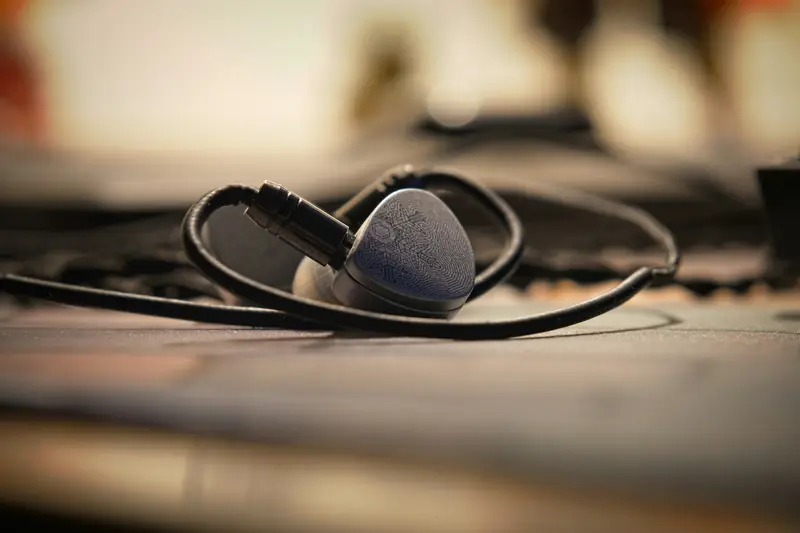
Best IEMs Under $100
Tuning, drivers, impedance, cable connector and plug, side by side.
-
Buying guide
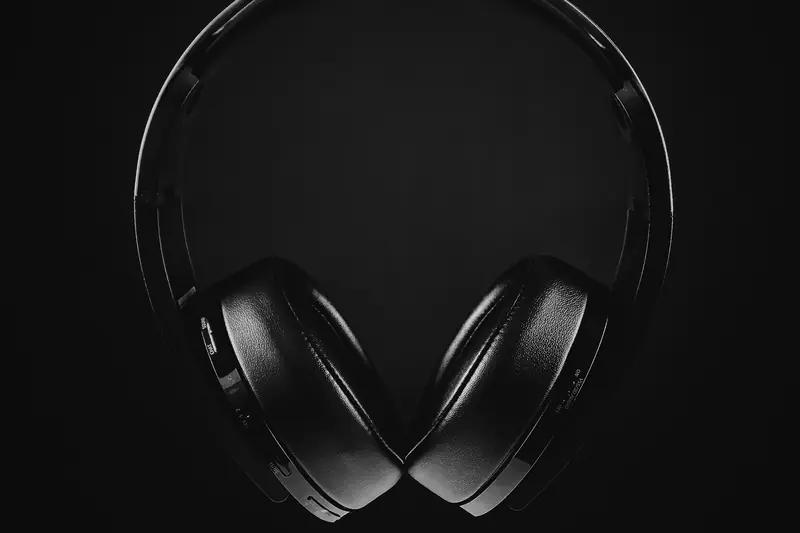
Best Headphones Under $100
Type, ANC, battery, weight, codecs and wired option, side by side.
-
Guide
Do You Need a DAC? When It Helps (and When It Doesn't)
What a DAC does, when built-in is enough and when a dongle helps.
-
Guide
Headphone Impedance Explained: Ohms, Sensitivity and Amps
What ohms and sensitivity mean, and when you need an amp.
-

Guide
How Loud Is Too Loud for Headphones? A Safe Listening Guide
The 70 and 85 dBA lines, the 3 dB rule and WHO's weekly allowance, explained.
Get the Overtone Setup Card
A printable card with the steps for setting up a turntable and placing speakers, plus one hearing-safety reminder. Free, and sized for a shelf or a wall.