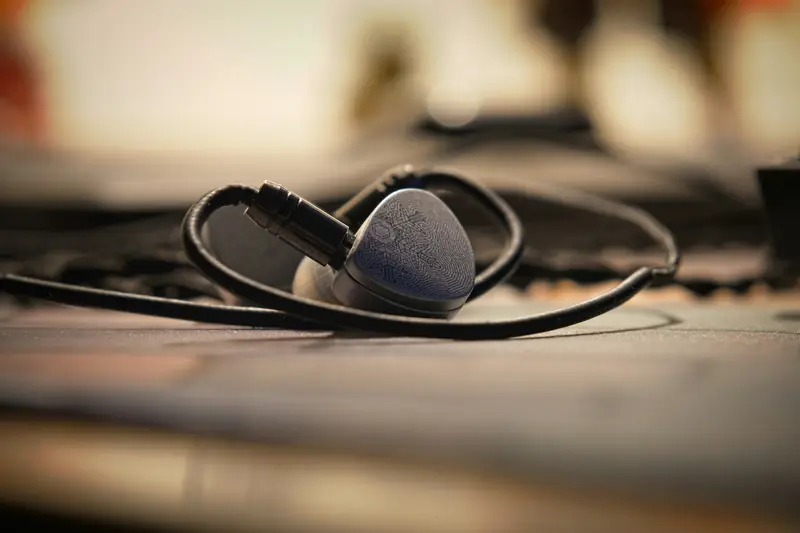
Best IEMs Under $100
In-ear monitors (IEMs) sit deep in the ear canal for isolation and detailed sound, and most use a detachable cable you can replace. The decisions that matter at a low price are the tuning, how easy they are to drive and which cable connector they use. This page is for listeners moving up from stock earbuds who want wired sound without a big spend.
What we look for
Tuning
tuning sets whether the sound is neutral, warm or bass-heavy.
Driver type
the driver type is part of how the sound is built, but it does not decide quality on its own.
Fit and included tips
a good seal changes bass and isolation more than most specs.
Detachable cable connector
a standard connector lets you replace a worn cable or add a different plug.
Easy to drive
low impedance and good sensitivity mean a phone can drive them.
Accessories and mic option
a case and a mic-equipped cable make IEMs useful every day.
- Sources: maker product pages, manuals and spec sheets, plus beyerdynamic blog, Apple for the facts behind the advice.
How to choose the right IEM
IEMs are easy to compare once you know which specs matter. If you are still deciding between IEMs and earbuds, read IEMs vs earbuds, and for how impedance affects your choice see headphone impedance explained. The six checks below cover tuning, cables, tips and how easy each pair is to drive.
Tuning
Makers describe their tuning in words such as neutral, warm or V-shaped, which is a claim, not a measurement. Neutral aims for an even balance, warm leans toward bass and lower mids, and V-shaped lifts both bass and treble. Pick the one that matches the music you play most. Check the frequency response column for the stated range.
Driver type
IEMs use dynamic drivers, balanced armature drivers or a mix of the two. The driver configuration column in the spec table lists which one a model has. More drivers do not guarantee better sound, so use the listing as a description of the design and read the maker's own notes on tuning. Driver type is one input to the sound, not a ranking.
Fit and included tips
A good seal changes bass and isolation more than most specs do. Look for several tip sizes in the box, and for more than one tip material if the listing says so. The tips included column tells you what comes with each pair. If the tip you need is missing, check that spare tips are easy to buy for that model.
Detachable cable connector
The two common connectors are 2-pin and MMCX. Check which one the IEM uses before you buy a spare cable, and check the plug size too: 3.5 mm suits phones and laptops, while 4.4 mm is for balanced outputs on some players and amps. Choose the connector first, because it limits the cables you can buy later and decides whether you can try a different plug.
Easy to drive
Low-impedance models of 16 to 32 Ω are designed for phones and laptops (beyerdynamic). Check the impedance and sensitivity columns. Our guide to headphone impedance explains how they work together.
Accessories and mic option
Check whether the box includes a case, a spare cable or a cable with a built-in microphone. If your phone has no headphone jack, see the DAC guide for how a dongle fits in. The mic option column says whether a model has a microphone, which matters if you want to take calls with them.
Tips for using your IEM
- Choose the cable connector first. It decides which replacement cables you can use.
- If your phone has no headphone jack, a small USB-C dongle can fix that. See do you need a DAC? for when it helps.
- Pair IEMs with a gentle volume. See our safe listening volume guide.
- Compare against wireless earbuds if you want no cable at all. Check the plug size before you pair IEMs with a dongle or player: 3.5 mm suits phones and laptops, and 4.4 mm needs a balanced output.
FAQ
Do IEMs need a DAC or amp?
Usually not. Beyerdynamic says low-impedance models of 16 to 32 Ω are designed for phones and laptops (beyerdynamic). A dongle DAC helps if your phone has no headphone jack.
IEM or earbuds?
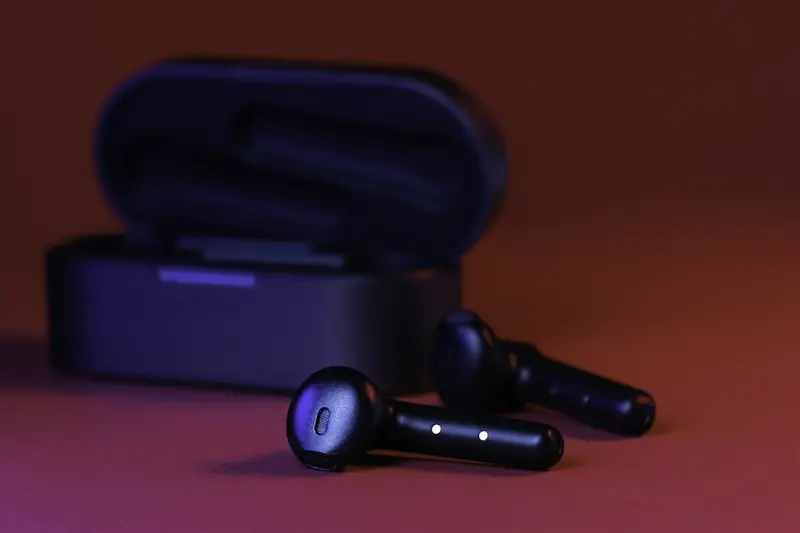
They differ in fit, isolation and features. Our IEMs vs earbuds comparison goes through the points one by one.
Wired or Bluetooth?
Only a wired connection can carry lossless audio. Apple states that Bluetooth connections aren't lossless (Apple).
How long can I listen?
For adults, the WHO-ITU safe listening standard sets 80 dB for 40 hours per week (WHO).
Related
-
-
Buying guide
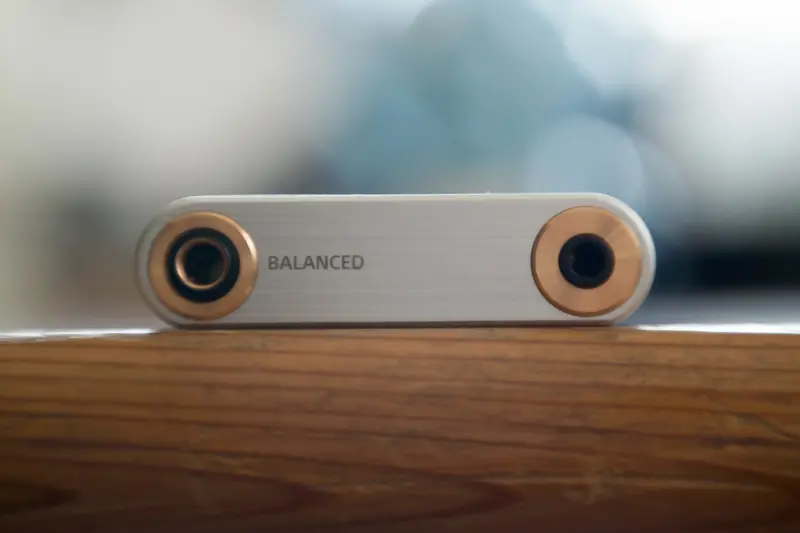
Best DAC/Amp Combos for Headphones
Output power, inputs, outputs, sample rates and gain, side by side.
-
Buying guide
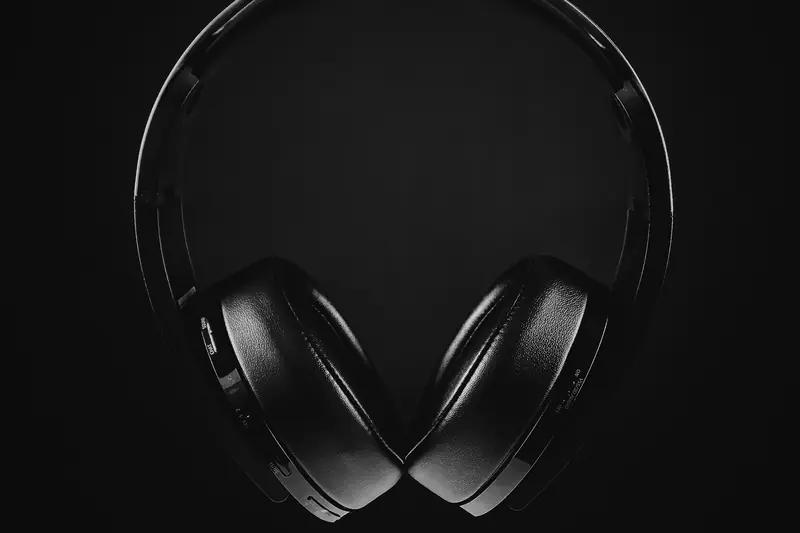
Best Headphones Under $100
Type, ANC, battery, weight, codecs and wired option, side by side.
-
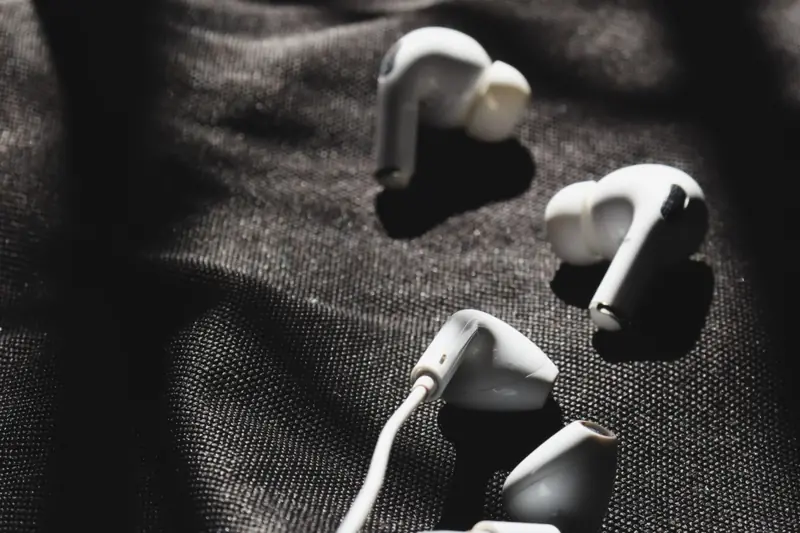
Comparison
IEMs vs Earbuds: What's the Difference?
Deep-fit wired monitors, or easy wireless earbuds.
-
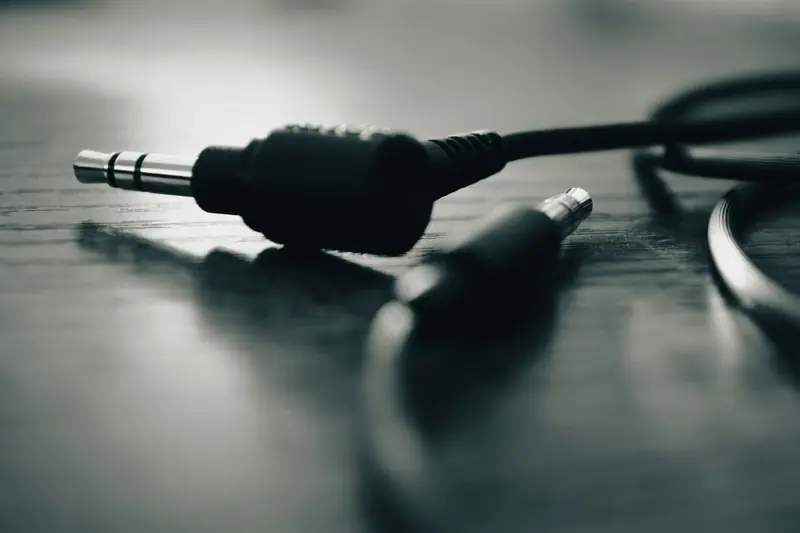
Guide
Headphone Impedance Explained: Ohms, Sensitivity and Amps
What ohms and sensitivity mean, and when you need an amp.
-
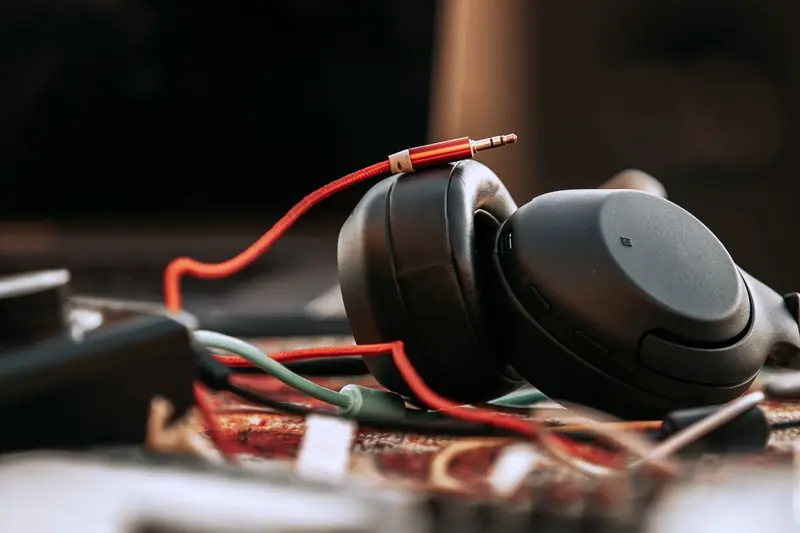
Guide
Do You Need a DAC? When It Helps (and When It Doesn't)
What a DAC does, when built-in is enough and when a dongle helps.
Get the Overtone Setup Card
A printable card with the steps for setting up a turntable and placing speakers, plus one hearing-safety reminder. Free, and sized for a shelf or a wall.