
Best Noise-Cancelling Headphones
Noise-cancelling headphones use microphones and processing to cut steady background noise such as engine hum and office air handling. The big decisions are how well they quiet your usual noise, how comfortable they are over several hours, and whether the battery and codecs fit your phone. This page is for travelers, remote workers and anyone who wants quieter listening.
Jump to section
What we look for
ANC strength in real noise
noise-cancelling matters most where your noise is, such as a plane cabin or an open office.
Comfort and weight
you wear them for hours, so weight and clamp decide whether you keep using them.
Battery life with ANC on
listed battery hours often assume ANC is off, so the ANC-on number is the one that counts.
Call microphone quality
if you take calls at work, the microphone matters as much as the drivers.
Codec support
the codec decides how your phone sends audio to the headphones.
Multipoint and app EQ
one-tap switching between devices and a tone control save daily fuss.
How to choose the right noise-cancelling headphone
Noise-cancelling pairs look alike on a shelf. These six checks separate them. If you are choosing between sealed and open designs, read open-back vs closed-back headphones, and see our safe listening guide for volume advice that applies to every pair.
ANC strength in real noise
Makers describe their ANC in different ways, so look at the ANC type in the spec table and read the manual for what each mode does. Think about your own noise first, whether that is a plane cabin or an open office. Many pairs add a transparency mode that lets outside sound in, which helps when you need to hear announcements. Treat the maker's description as a claim, not a measurement.
Comfort and weight
Check the weight column and the form factor. Heavier pairs can feel fine with a wide, padded band, but a tight clamp tires you out on a long flight. Look for replaceable ear pads and a swiveling cup that lies flat in a case. If you wear glasses, soft pad material and a lighter frame usually help. Check whether the cups swivel flat and the case folds, since travel is where ANC pairs get used most.
Battery life with ANC on
Use the battery column and check which mode the maker lists. A long-haul traveler wants enough hours to cover the flight without charging. A wired option also keeps the headphones useful once the battery runs out, so check the wired option column too. Compare the battery column across pages so you judge every pair on the same footing.
Call microphone quality
Maker pages describe microphone arrays and wind reduction, but they are claims, not measurements. Treat them as a feature list. Check for multipoint in the spec table, which lets one pair stay connected to a phone and a laptop at the same time.
Codec support
Check the codecs column against your phone. Our guide to Bluetooth codecs explains AAC, LDAC and LE Audio. Remember that Bluetooth is not lossless (Apple), so a codec changes the quality of a lossy link, not the fact that it is lossy.
Multipoint and app EQ
Multipoint lets you hear a laptop and a phone without re-pairing. An app with an equalizer lets you adjust bass and treble, but check whether the app needs an account before you rely on it.
Tips for using your noise-cancelling headphone
- Keep the volume low and let ANC do the work. Our safe listening volume guide lists the levels NIDCD and WHO give.
- If you buy for the wired option, check the spec table for a 3.5 mm or USB-C audio connection before you add a pair to your cart.
- On a budget? Compare headphones under 100 to see what you give up.
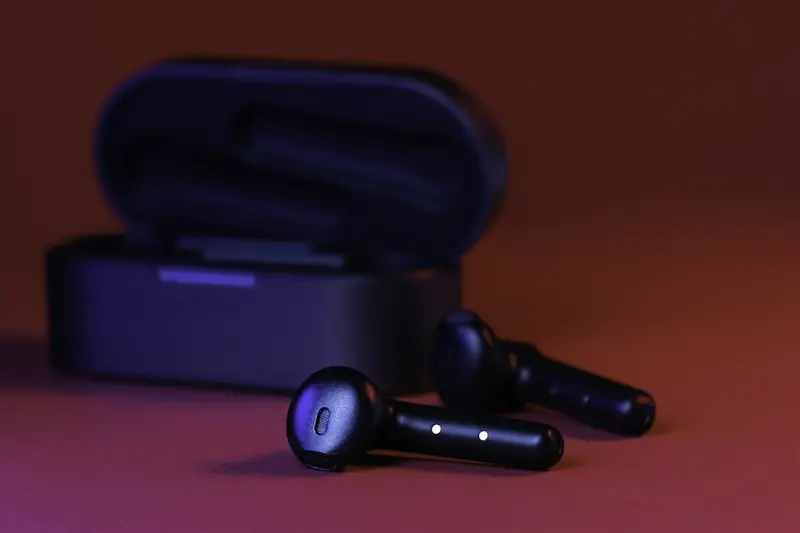
- For wireless earbuds with ANC, see our wireless earbuds guide.
FAQ
Are wireless headphones lossless?
No. Apple states that Bluetooth connections aren't lossless, and lossless playback needs a wired connection (Apple).
What is LDAC?
LDAC is Sony's Bluetooth codec. Sony lists a top bitrate of 990 kbps, and in best-effort mode it moves between 330, 660 and 990 kbps (Sony). Those are maker figures.
Does ANC protect my hearing?
It reduces background noise, so you can keep the volume lower. NIDCD advises lowering the volume and using protection when noise is at or above 85 dBA (NIDCD).
Can I use them wired?
Some pairs can. The wired option column in the spec table tells you whether a model has a 3.5 mm or USB-C audio connection.
Related
-
-
Buying guide
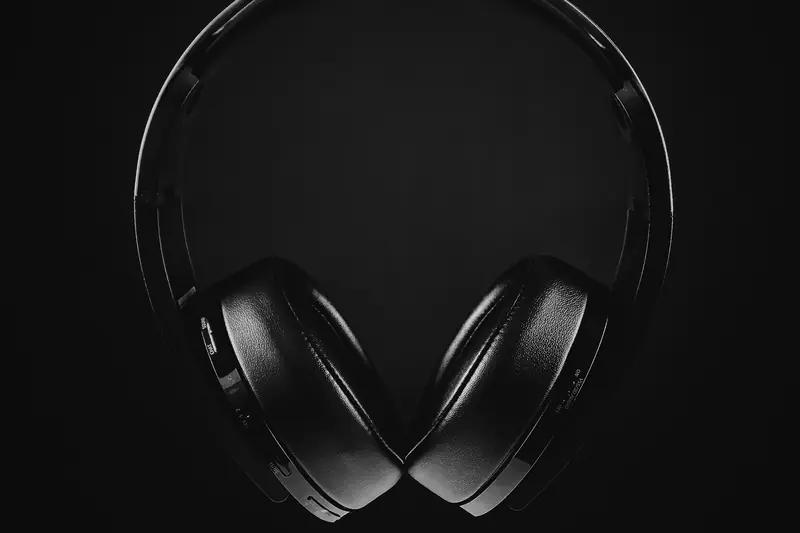
Best Headphones Under $100
Type, ANC, battery, weight, codecs and wired option, side by side.
-
Buying guide
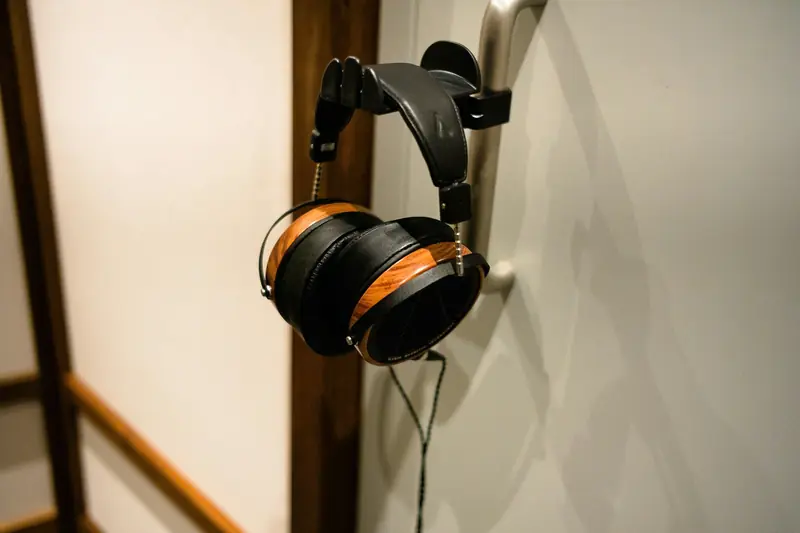
Best Open-Back Headphones
Impedance, sensitivity, driver, weight, cable and pads, side by side.
-
Comparison
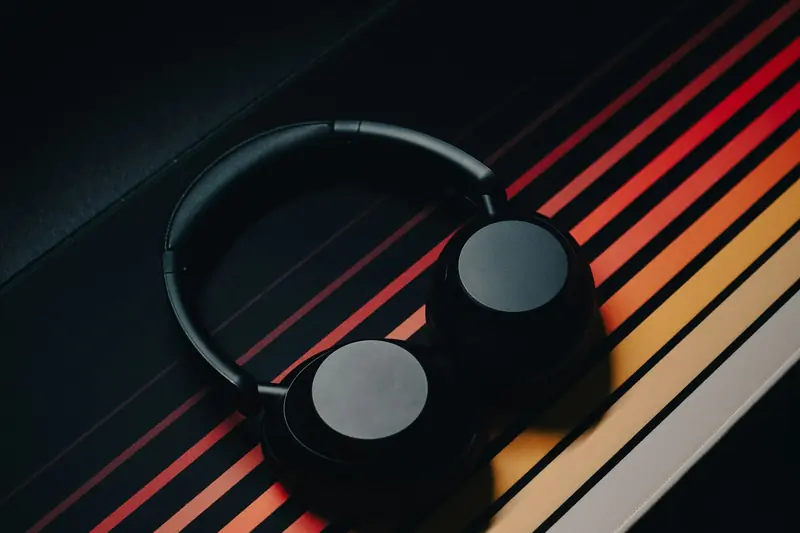
Open-Back vs Closed-Back Headphones: Which Should You Buy?
Isolation and space, or a wider sound for quiet rooms.
-
Guide
How Loud Is Too Loud for Headphones? A Safe Listening Guide
The 70 and 85 dBA lines, the 3 dB rule and WHO's weekly allowance, explained.
-
Guide
Bluetooth Codecs Explained: SBC, AAC, LDAC and LC3
What SBC, AAC, LDAC and LC3 do, with maker figures labeled as claims.
Get the Overtone Setup Card
A printable card with the steps for setting up a turntable and placing speakers, plus one hearing-safety reminder. Free, and sized for a shelf or a wall.