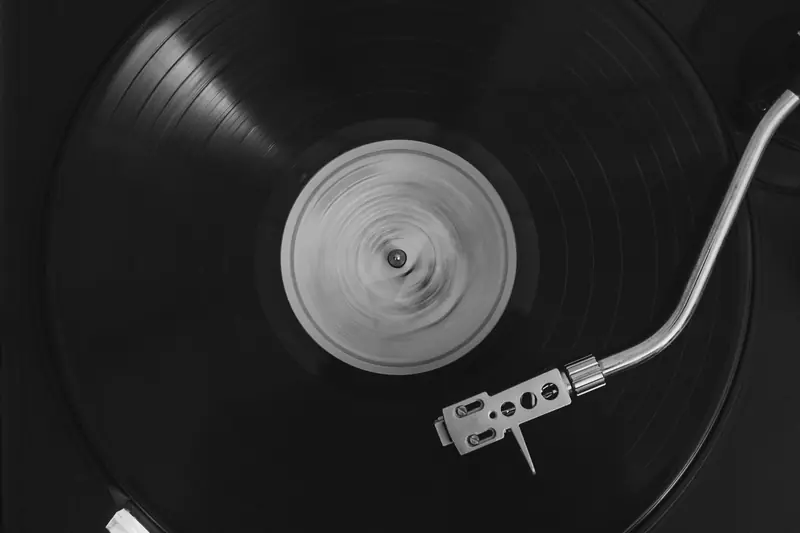
Best Turntables for Beginners
A first turntable should play records without damaging them and leave room to improve later. The decisions that matter are whether it has a switchable phono preamp, whether the tonearm is adjustable and whether you can swap the cartridge. This page is for newcomers to vinyl who want a deck they can grow with.
Jump to section
What we look for
Switchable phono preamp
a turntable needs a preamp, and a switchable one gives you a choice of gear.
Adjustable counterweight and anti-skate
an adjustable tonearm protects your records.
Upgradeable cartridge
a cartridge you can swap lets you improve the sound without a new deck.
Speeds
the speeds should cover the records you own.
Belt or direct drive
the drive type affects how the deck feels to use and to service.
USB or Bluetooth output
extra outputs add convenience, but the core outputs matter more.
- Sources: maker product pages, manuals and spec sheets, plus Audio-Technica, Audio-Technica for the facts behind the advice.
How to choose the right turntable
A beginner deck should be easy to set up and easy to improve. If you are not sure how a turntable connects, read how to set up a turntable, and for all-in-one options see record players with speakers. The six checks below cover the preamp, the tonearm and the parts you can upgrade later.
Switchable phono preamp
A turntable needs a preamp, and a switchable one gives you a choice of gear. A cartridge puts out about 0.005 V (phono level), and a preamp raises it to about 0.3 V (line level) (Audio-Technica). A built-in preamp that you can switch off lets you use powered speakers now and a receiver's phono input later. Check the built-in preamp column for a switchable model. If you are unsure which connection you will use, a switchable preamp is the safer choice.
Adjustable counterweight and anti-skate
Audio-Technica says correct tracking force and anti-skate minimize distortion and wear (Audio-Technica). Check the spec table for adjustable tracking force and anti-skate. Our setup guide walks through both. A deck with adjustable tracking force and anti-skate lets you follow the cartridge maker's figure, such as the 2.0 g Audio-Technica gives for the AT-VM95E (Audio-Technica).
Upgradeable cartridge
A cartridge you can swap lets you improve the sound without buying a new deck. Look for a standard cartridge mount and a replaceable stylus. Check the cartridge column and the maker's stated tracking force, because you will need that figure when you balance the tonearm. Our setup guide shows where it fits in the steps.
Speeds
Check the speeds column to see that the deck covers 33⅓ and 45, the two speeds many records use. Some decks change speed with a switch, others by moving the belt, so read the manual if you plan to switch often. A deck that covers both keeps your whole collection playable. If you buy used records in other sizes, check the manual for what the deck supports.
Belt or direct drive
Belt drive and direct drive are the two common types. Check the drive type column and read the manual to see how the maker describes the choice. If a model uses a belt, find out how to replace it, and ask the maker where to get a replacement.
USB or Bluetooth output
Some decks add USB or Bluetooth. They are handy for digital copies or wireless speakers, but check that the deck also has RCA outputs for a regular system. Remember that Bluetooth is not lossless (Apple). If you only want to play records through speakers, you can ignore this column and favor a deck with a good preamp and an adjustable tonearm.
Tips for using your turntable
- Match the preamp setting to your speakers or amp. Our setup guide explains PHONO and LINE.
- Check the tracking force your cartridge's maker states, and set the tonearm to it.
- Pair the deck with powered bookshelf speakers if you want a simple setup.
- Keep listening levels moderate. See our safe listening volume guide.
FAQ
Do I need a preamp?
Yes. A cartridge outputs a very small phono-level signal, about 0.005 V, and a preamp lifts it to line level, about 0.3 V (Audio-Technica).
What tracking force?
Follow the cartridge maker's figure and set anti-skate to the same value. Audio-Technica's example is the AT-VM95E, which needs 2.0 g (Audio-Technica).
PHONO or LINE?
Choose PHONO when the turntable plugs into a receiver's phono input. Choose LINE for Aux inputs or when you connect powered speakers (Audio-Technica).
Will it wear out my records?
Setting tracking force and anti-skate correctly keeps distortion and record wear to a minimum (Audio-Technica).
Related
-
Buying guide
Best Record Players with Speakers
Speakers, tonearm, stylus, Bluetooth and RCA out, side by side.
-
Buying guide
Best Powered Bookshelf Speakers
Amp power, inputs, phono preamp, HDMI ARC and Bluetooth, side by side.
-
Buying guide
Best Bookshelf Speakers
Passive or powered, woofer, sensitivity, impedance, ports and size, side by side.
-
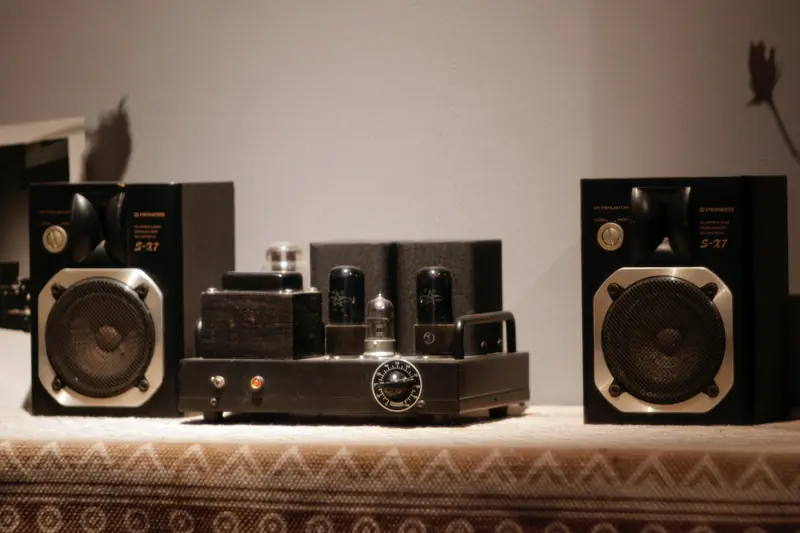
Comparison
Active vs Passive Speakers: Which Is Right for You?
A built-in amp for simplicity, or separate parts to upgrade.
-
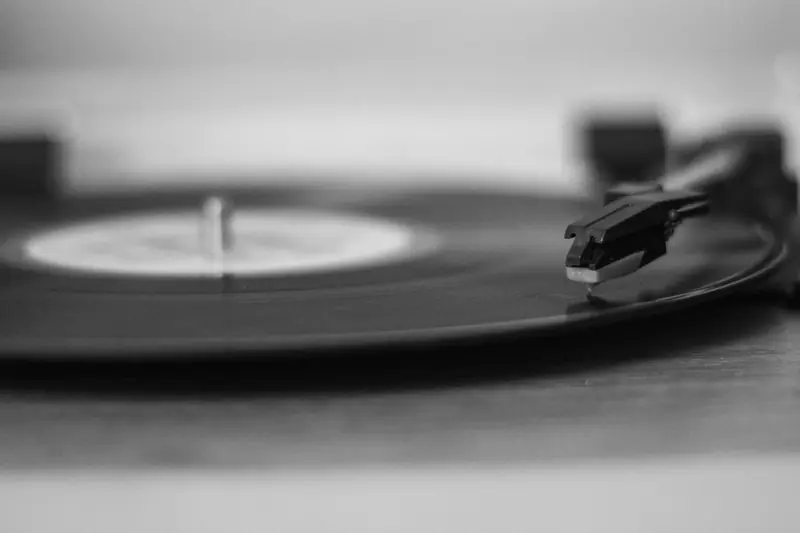
Guide
How to Set Up a Turntable: Tonearm, Tracking Force and Preamp
Balance the tonearm, set force and anti-skate, then pick PHONO or LINE.
-

Guide
How Loud Is Too Loud for Headphones? A Safe Listening Guide
The 70 and 85 dBA lines, the 3 dB rule and WHO's weekly allowance, explained.
Get the Overtone Setup Card
A printable card with the steps for setting up a turntable and placing speakers, plus one hearing-safety reminder. Free, and sized for a shelf or a wall.